Emboss + Silk
Learn about Silk →The design rises from the card surface. Best for logos, monograms, initials, symbols, and marks you want the hand to notice quickly.
Starting at $87 · 250 cards
Shop this Combination →

Embossing raises your logo. Debossing presses it in. Either way, the card carries The Sculpted Impression — dimension the hand notices before the eye finishes reading, pressed into thick premium stock, on custom dies, since 1997.
From $87 · 250 cards
The design rises from the card surface. Best for logos, monograms, initials, symbols, and marks you want the hand to notice quickly.
Soft-touch velvet laminate. Warm, matte, and distinctly premium.
Raised relief lifted out of the cotton surface — dimension you feel from the back of the card.
Embossing and debossing pair beautifully with linen because they add real depth while keeping the design refined and tactile.
Metallic foil with raised dimension. A strong choice when the logo needs both visual brightness and tactile presence.
A raised emboss with a high-gloss Spot UV layer on the same mark. Texture you feel and shine you catch in the light, in one finish.
Real feedback from trusted professionals who expect more than ordinary business cards.
We’ve helped brands turn paper, relief, texture, and finish into confidence that makes stronger first impressions.
Get a sample kit and experience the shine, texture, weight, and finish for yourself.
Get guidance on the right combination of impression, stock, texture, and edge detail.
“I cannot thank this company enough! My business cards are absolutely fabulous and I have received so many compliments on them. The pictures will not do them justice. I got the suede finish, 48 pt thick cards with silver foil on one side and the edges. They are so luxurious.”
Embossed and debossed business cards are built for professionals whose first impression matters in the room — bold, quiet, colorless, metallic, raised, or recessed, depending on the impression your brand needs to make.
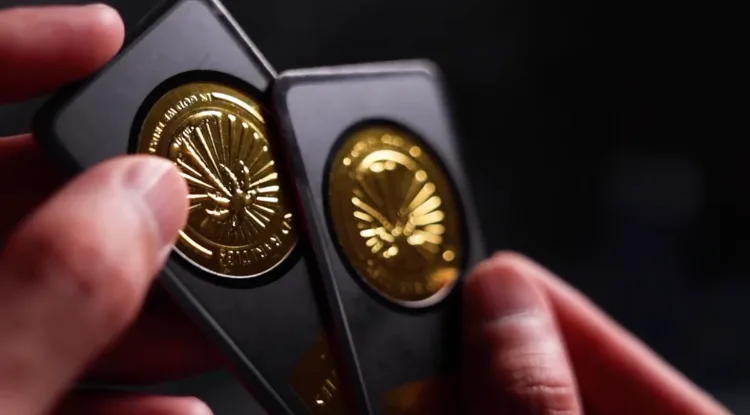
Use deboss or blind emboss for a restrained mark that feels established without looking loud.
Explore ideas for lawyers →The reaction is not only visual. People turn the card, run their fingers across the mark, and look closer — that pause is the reason embossing works.
The raised or recessed mark gives the hand something to discover before the card is fully read.
Relief creates shadow, light, and dimension that make the receiver examine the card longer.
The card becomes tied to a physical moment, not just a contact detail.
Dimension is pressed into the card itself, so the texture is felt, not printed on.
A SilkCards card becomes real in the hand — the weight, the sculpted impression, the texture. The sample kit puts the collection in front of you so you can feel the options, and it ships free.
Pair with a SilkCards design consultant and designer to turn your idea into a print-ready embossed card — we can review your artwork and help identify what should raise, press in, stay flat, or combine with foil.
Keep Exploring
Metallic foil pressed into selected areas — combine it with embossing when the logo needs both visual brightness and tactile presence.
Explore FoilA glossy raised coating that sits on the card rather than reshaping it — felt as a coating, where embossing is felt as dimension in the stock.
Explore Raised Spot UVThicker premium stock gives the die room to form a crisp, lasting impression — and holds it crisp in the hand long after the exchange.
Explore Thick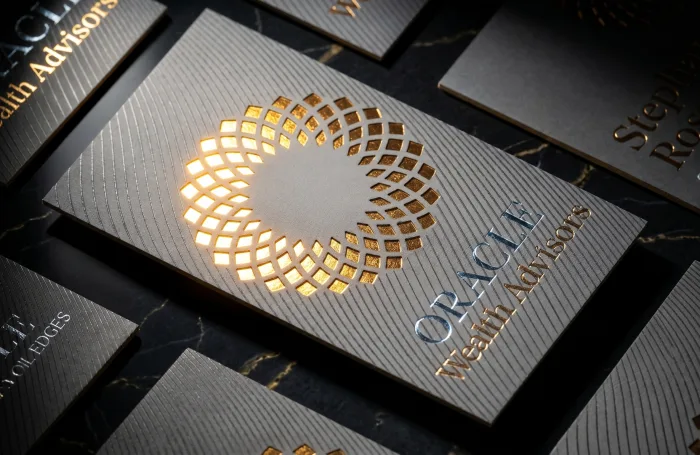
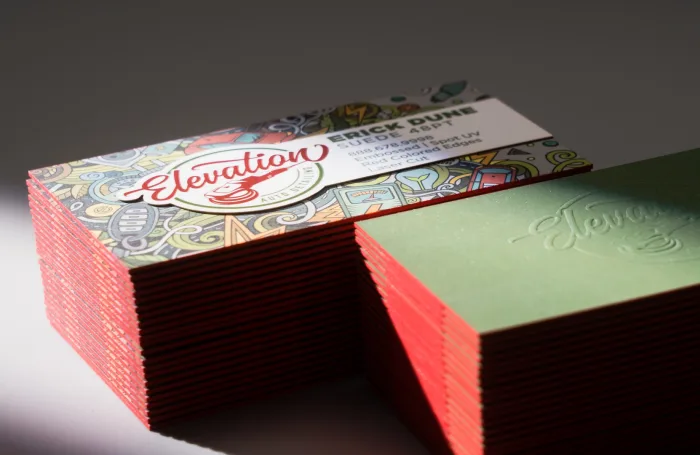
Emboss and deboss are both forms of The Sculpted Impression — dimension pressed into the card itself. Bold, quiet, colorless, metallic, raised, or recessed, depending on the impression your brand needs to make.
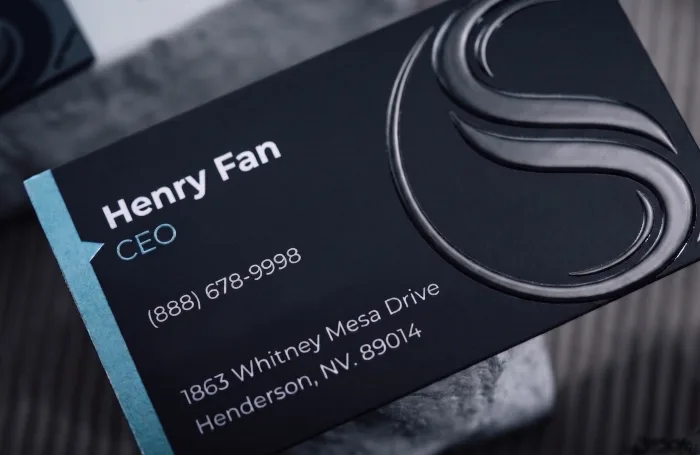
Pressed with a custom die so part of the design rises above the surface. The raised area can be a logo, monogram, name, pattern, or selected brand detail — marks you want the hand to notice quickly.
The same idea in reverse: the design is pressed into the stock, creating a recessed mark that feels refined, quiet, and intentional — depth, restraint, and a more architectural feel.

The Sculpted Impression is only as deep as what it presses into. Thick, premium stock gives the die room to form a clean, lasting relief — and holds it crisp in the hand long after the exchange.
✓ You want a logo, monogram, initial, symbol, or mark the hand notices quickly.
✓ You want depth, restraint, and a more architectural feel — deboss presses the design inward.
✓ You want texture you feel and shine you catch in the light — Emboss Spot UV puts both on the same mark.
✓ You want visual brightness and tactile presence together — foil emboss.
✓ You want dimension the hand notices before the eye finishes reading.
Embossing raises the design above the card surface. Debossing presses the design into the card — recessed and more understated.
Because embossing reshapes the stock, a raised emboss on the front naturally shows as a recessed deboss on the back — use a single side, or treat the two-sided effect as intentional.
Thicker premium stock gives the die room to form a crisp impression. Thin stock can limit depth and make the result feel weaker.
Blind embossing uses pressure only, without ink or foil. Foil emboss adds metallic contrast; Emboss Spot UV adds a glossy layer on the same mark.
Embossing is made with a custom die shaped from your artwork — SilkCards creates the die from your file, and the press forms your exact logo or design.
Vector logo preferred, separate emboss layer, avoid ultra-fine details — design review available before production.
Send the logo. We’ll help make it production-ready — SilkCards can review your artwork and help identify what should raise, press in, stay flat, or combine with foil.
Both effects create a tactile mark, but they communicate differently. Embossing is more immediate. Debossing is quieter. The right choice depends on how your brand should enter the handoff.
| Question | Emboss | Deboss | Foil Emboss |
|---|---|---|---|
| Best feel | Raises artwork from the card surface — more noticeable by touch and shadow. | Presses artwork into the card surface — more restrained and refined. | Combines metallic foil with raised dimension. |
| Best for | Logos, symbols, monograms, and signature marks. | Minimal brands, professional firms, quiet luxury. | Premium logos that need both shine and touch. |
| Design personality | Dimensional, noticeable, tactile. | Subtle, refined, architectural. | Bright, polished, high-impact. |
| Finish pairings | Emboss Spot UV raises the mark, then adds a glossy layer on the same area — tactile, glossy, high-contrast. | Blind deboss uses pressure only; foil adds metallic contrast to the recessed area. | A bright visual accent and a tactile raised mark in the same area. |
The Sculpted Impression is only as deep as what it presses into — and each pairing has its own page when you want to go deeper.
Thicker premium stock works best because it gives the die room to form a crisp impression.
Foil emboss combines metallic foil with raised dimension — a bright visual accent and a tactile raised mark in the same area.
A raised emboss with a high-gloss Spot UV layer on the same mark — texture you feel and shine you catch in the light.
Pressure only, without ink or foil — the effect comes from shadow, light, and the texture of the card itself.
A raised emboss on the front naturally shows as a recessed deboss on the back — treat the two-sided effect as intentional.
An impression is only as deep as the stock it is pressed into — the stock you pick sets the ceiling for everything on the card.
Very fine lines or tiny text can lose definition when raised — these are the choices to avoid, and what to do instead.
Very fine lines or tiny text can lose definition when raised.
Logos, monograms, initials, icons, and solid letterforms emboss best — keep embossed elements simple.
Thin cards limit how much relief can form, and can make the result feel weaker — soft, crushed, or uneven.
Thicker stock gives the die more room to create visible and tactile depth — and holds it crisp in the hand long after the exchange.
An emboss area that is not clearly separated from the printed design makes the production file harder to form cleanly.
Use vector artwork and separate the emboss/deboss area clearly from the printed design — our team can guide the setup before production.
The essentials most buyers ask before choosing emboss — short and to the point.
Cards pressed with a custom die so part of the design rises above the surface. The raised area can be a logo, monogram, pattern, name, icon, or selected design detail.
Embossing raises the design above the card surface. Debossing presses the design into the card. Both create tactile dimension, but emboss feels lifted while deboss feels recessed and more understated.
No. Embossing uses a custom die to physically raise the paper itself, so the shape is sculpted into the card. Raised ink (thermography) builds a glossy resin on top of a flat surface — felt as a coating, not as dimension in the stock.
Yes. Embossing is made with a custom die shaped from your artwork — SilkCards creates the die from your file. You supply clean vector artwork and tell us what should raise or press in.
Embossed business cards are cards pressed with a custom die so part of the design rises above the surface. The raised area can be a logo, monogram, pattern, name, icon, or selected design detail.
Embossing raises the design above the card surface. Debossing presses the design into the card. Both create tactile dimension, but emboss feels lifted while deboss feels recessed and more understated.
No. Embossing uses a custom die to physically raise the paper itself, so the shape is sculpted into the card. Raised ink, or thermography, builds a glossy resin on top of a flat surface and sits on the card rather than reshaping it. Embossing is felt as dimension in the stock. Raised ink is felt as a coating.
Thicker premium stock works best because it gives the die room to form a crisp impression. Thin stock can limit depth and make the result feel weaker.
The main choices are the quantity, whether the emboss sits on one side or both, the stock, and any added finishes such as foil emboss or Spot UV. Start with a Free Sample Kit to feel the options, or request a quote for your exact setup.
Yes. SilkCards can review artwork and help prepare emboss, deboss, blind emboss, or foil emboss setup so the design is production-ready.
Yes. Embossing is made with a custom die shaped from your artwork, so the press forms your exact logo or design. SilkCards creates the die from your file. You supply clean vector artwork and tell us what should raise or press in.
Bold, clean shapes emboss best: logos, monograms, initials, icons, and solid letterforms. Vector artwork is preferred, and very fine lines or tiny text can lose definition when raised, so keep embossed elements simple and well separated from the printed design.
Yes. Foil emboss combines metallic foil with raised dimension. It creates a bright visual accent and a tactile raised mark in the same area.
Yes. Because embossing reshapes the stock, a raised emboss on the front naturally shows as a recessed deboss on the back. A design can use a single side, or treat the two-sided effect as intentional.
Blind embossing uses pressure only, without ink or foil. The effect comes from shadow, light, and the raised or recessed texture of the card itself.
Debossed means a design is pressed down into the card, creating a recessed impression you can feel. It is the reverse of embossing, which raises the design above the surface. Debossing reads as quiet and understated. Embossing reads as more pronounced.