
Written by Henry Fan · Founder, SilkCards
29 years turning ink, foil, and pressure into first impressions that don’t get forgotten.
In This Article
- The Myth of Being “Ready”
- The Six Things That Get a Project Started
- The One Thing No One Asks You For
- What You Do Not Need to Send
- The Five-Minute Exercise That Replaces a Brief
- Send What You Have
The Myth of Being “Ready”
Most printers expect you to arrive with a print-ready PDF. Vector files. Proper bleed. CMYK color codes. Pre-press preparation. The whole package, tied with a bow.
That expectation is why so many business cards never get made.
In 29 years of taking design intake calls at SilkCards, I have seen this pattern often enough to call it by name. The customer who waited until they had everything ready was the customer who never started. They circled the project for months — sometimes years — because the gap between what they had and what they thought they needed felt too large to cross.
Here is the truth about the work. You do not need print-ready files. You do not need a brief. You do not need to know every finish. You do not need to settle on a paper weight, choose a foil color, or write a five-paragraph email about your brand identity.
You need six things you probably already have. One piece of information no one is asking you for. And five minutes.
The Six Things That Get a Project Started
This is the list. If you can put together five of the six, the project can begin today.
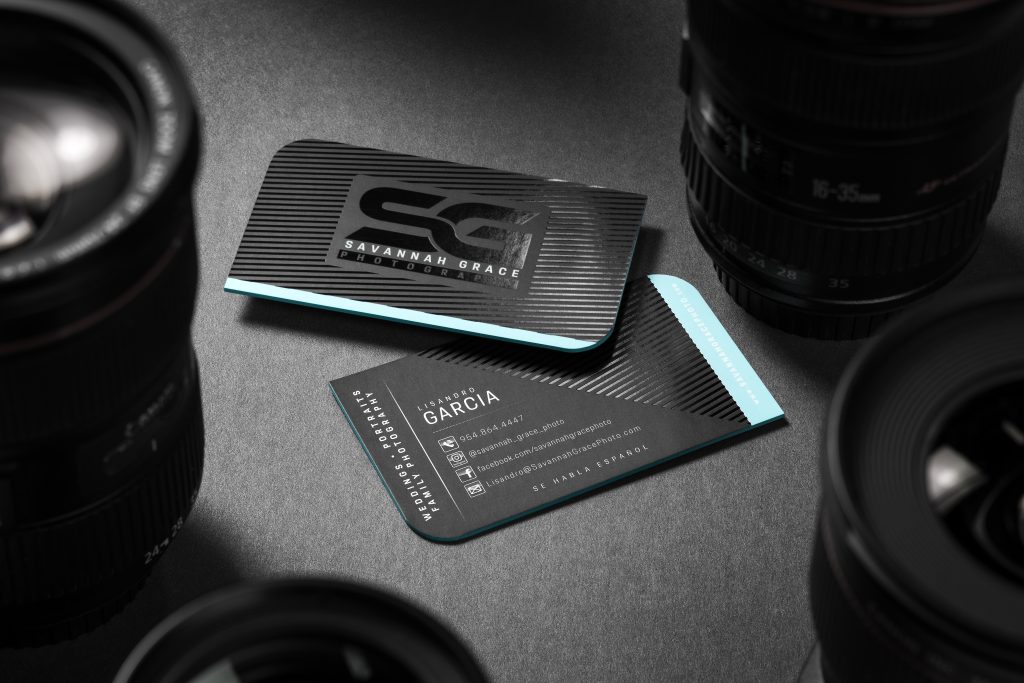
One — Your logo, in any format
A vector PDF is best. A high-resolution PNG is fine. A phone photo of an old printed card is acceptable. A scan of a sketch you drew on a napkin counts. We will work from what you have.
If the file is rough, the designer cleans it up as part of the work. If you do not have a logo at all, the project can still start — the consultant will tell you what to do with the cardholder name and one or two visual anchors instead.
The point is this: the logo does not need to be production-ready. It needs to be present.
Two — Your business name and the contact details that will go on the card
Phone, email, website, mailing address (if you want it there), social handles, title, credentials, certifications, license numbers. Whatever has to land on the card.
Write them out the way they will appear, not the way they appear in your email signature. J. Marcus Reed, Esq. is a different design problem than Jay Reed, Attorney. The version you send is the version we lay out. If you are not sure which version is right, send both. The consultant will recommend.
Three — One brand reference you like — and not from your own field
This is the most common place customers get stuck and the easiest place to release them. You do not need to send three competitor cards. In fact, you should not send competitor cards (more on that in §4). You need one thing you have felt and remembered.
A magazine spread. A book cover. A hotel key envelope. A wine bottle label. A piece of stationery from a museum gift shop. A film poster. Anything you have held or seen that left an impression.
The reference is not a template. It is a calibration point — a way to give the designer something physical to measure against.
Four — One reference you actively dislike
More useful than the likes.
The customer who can say “I hate cards that try too hard with the typography” or “I never want my card to look like a tech startup pitch deck” has told the designer something rare and valuable. The negative space of your taste is sometimes more defined than the positive space — and a card built to stay out of what you dislike often ends up exactly where you wanted it.
Send one. It can be a card, a website, a logo, anything. Name it. Say why if you can. If you cannot articulate why, the consultant will surface it during the intake.
Five — Notes on the feeling
One or two words. Confident. Calm. Serious. Warm. Bold. Restrained. (We use a six-word vocabulary in the intake — pick from those if it helps.)
This is the part the customer most often skips and the consultant most often surfaces in the first conversation. You do not need to defend the feeling-word. You do not need to justify it against your industry or your business plan. You just need to write it down.
Six — The card you are using now, if you have one
Even if it is terrible. Especially if it is terrible.
The gap between the card you currently hand over and the card you want to hand over is the design problem we are solving. Seeing the current card tells the designer what got handed to you by your last printer, what was good enough to keep, what to keep working, and what to throw away.
If this is your first business card, skip this one. The list is six things — but you do not need all six. Five is enough to start. Four is workable. Three is the floor.
The One Thing No One Asks You For
Here is the question almost no printer asks the customer, and it changes the build more than the answer to “what foil do you want.”
Who will receive this card, and what do you want them to do after they receive it?
Most customers think the card is for the first handoff. The first handshake. The moment you slide it across the table or hand it to someone at a conference. That is half the story.
The card’s real job often happens later. When the recipient is back at their desk, going through the stack from the day, and decides whether to put your card in the keep pile or the toss pile. When their assistant is filing contacts and decides whether to enter your details into the CRM. When their spouse asks who they met today and they reach for the card to remember.
A card built for the first handshake makes a first impression. A card built for the second and third encounter makes a decision.
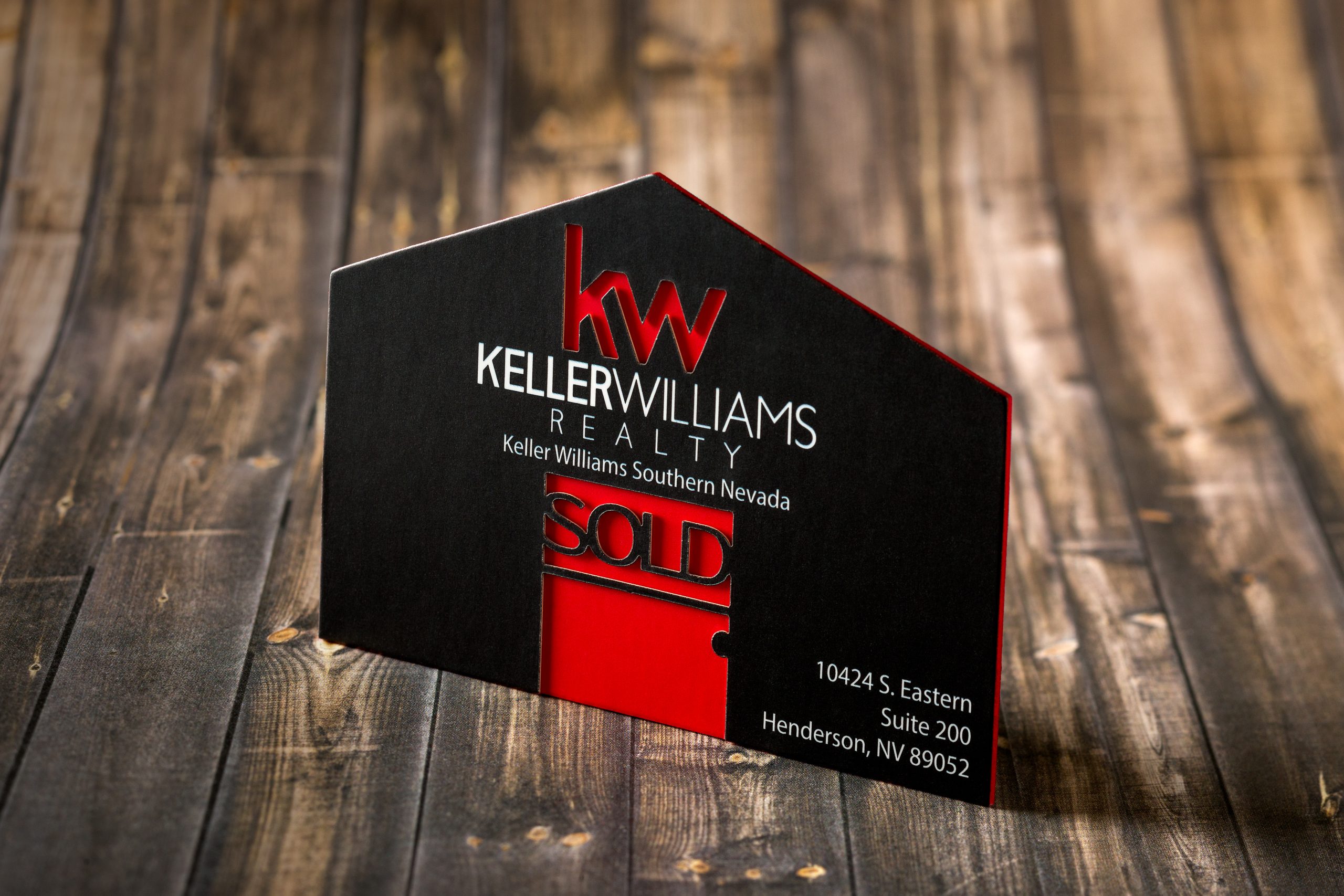
I will give you one example from 29 years of intake calls. A realtor in 2023 told us her cards kept ending up in glove compartments — torn, faded, useless. We asked the destination question. She thought about it. Her cards were not actually for the buyers she handed them to. Her cards were for the listing presentation desks where buyers showed their realtor friends the property they had just toured. The card needed to win the desk, not the wallet.
We shifted her build to 32pt suede with a foil-stamped name. The cards stopped ending up in glove compartments. They started ending up in the keep pile.
The destination question is the one that, when answered honestly, often surprises the customer with what they already knew but had not said.
What You Do Not Need to Send
Do not send:
- Spec sheets. Paper weight, point thickness, foil color codes, CMYK breakdowns. The designer recommends these based on the brief.
- Detailed format requirements. “I want a horizontal landscape card with my logo upper-left and contact info lower-right.” If you have this much structure in mind, send the brief instead and trust the designer to translate.
- Permission for the designer to “go bold.” If we recommend a build, we will explain why. You decide. You do not need to give us permission upfront.
- A bleed, a die line, or any pre-press preparation. That is production work. The designer handles it after the design is approved.
- An email apologizing for not having more. I will read it. I will reply kindly. But it does not move the project forward, and you do not owe anyone an apology for arriving with what you have.
Let the designer recommend the build. Their job is to know what the substrate wants. Your job is to know what you want — in feeling, not in finish.
If you want to feel the substrate before you brief us, order a sample kit. You can hold silk, suede, cotton, and foil edges in your hand before you make any decision. Most customers say the sample kit changes their brief — usually toward something more confident than what they would have asked for.
The Five-Minute Exercise That Replaces a Brief
Set a timer for five minutes. Open a blank document. Write the answer to this single sentence:
“I want them to feel _______ when they hand it back to their assistant.”
Notice the phrasing. Not when they receive it. Not when they read it. When they hand it back to their assistant. That moment forces a perspective shift. You are no longer thinking about the first handoff. You are thinking about the second encounter — the one where the card has to earn its place in the keep pile.
The blanks people fill in this exercise are different from the answers they give in a standard brief. “I want them to feel like they’re handing back something worth filing.” “I want them to feel like they should make a call before the day ends.” “I want them to feel like I’m serious about what I do, and they noticed.”
That is the brief. That single sentence carries more useful direction than three pages of agency formatting.
Send us that sentence. Plus the six things above. We will shape the rest.
Send What You Have
The card does not begin with files. It begins with what you already have.
You have a logo. You have a name. You have an opinion about cards you like and cards you do not like. You can write one sentence in five minutes about what you want a stranger to feel when they hand your card back to their assistant. That is the brief.
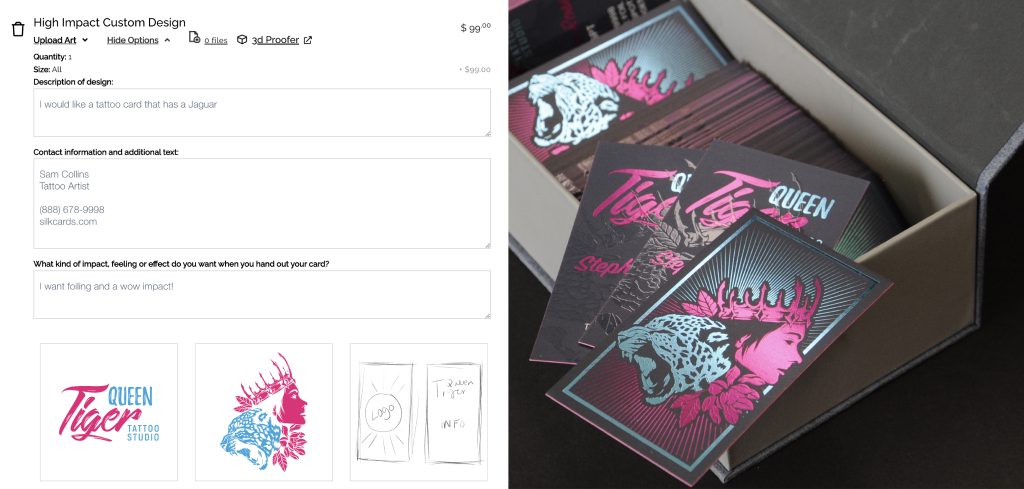
Design Help is built to take exactly that and turn it into a card built for premium print. The consultant studies what you sent, researches your business, shapes the design direction, and briefs the designer. You do not need to know what comes after that. You will see the first mockup in 2–3 business days.
In 29 years I have never seen a project fail because the customer did not send enough. I have seen projects stall because they sent too much before they sent the one thing that mattered. Send the one thing first. The rest fits around it.
Send what you have. We will shape the rest.
Send What You Have. We’ll Shape the Rest.
A consultant studies what you send, briefs the designer, and you see the first mockup in 2–3 business days.
Begin Design Help — $99To start a business card design when you don’t have print-ready files: send your logo in any format, your contact details, one brand reference you like, one you dislike, a feeling-word, and your current card. The designer recommends the build — you don’t need to spec it.