
Written by Alicia · VIP Account Manager, SilkCards
Key takeaways
- Regular customers bring in 6 times more revenue than one-time visitors (Square, 2026).
- In Toast restaurant data, joining a loyalty program can raise a guest’s return rate from a 7% baseline to nearly 30%.
- A 30mil plastic card is credit card thickness, built to last through years of wallets and scans.
- The card only works if the reward behind it is worth coming back for.
Every business owner knows their regulars. They order the same thing, they know the staff by name, and they show up even on slow weeks. What most owners do not know is how much those few people are worth, or how simple it can be to turn a first-time customer into one of them.
This post looks at the numbers behind regular customers, what a plastic loyalty card does to bring people back, where loyalty programs go wrong, and what you need to start.
How much is a regular customer worth?
About 6 times more revenue than a one-time visitor, in Square data. Square studied millions of transactions for its 2026 Local Economy Report and defined a regular as someone who visits a business at least four times a year. Those customers also tipped 11% more, and revenue from regulars grew 7.67% in 2025, faster than overall revenue at 6.97% (Square, Mar 18, 2026).
Restaurants also see the same pattern. Toast data from the first quarter of 2026 suggests that up to half of a restaurant’s order volume can come from just 7% of its guests, the ones who visit more than once (Toast and Resy Regulars Report, May 18, 2026). If you run a restaurant, gift cards are another way to bring guests back, and we cover them in The Business Case for Restaurant Gift Cards.
In other words, a handful of loyal customers can carry a business. Every customer you move from “tried it once” to “comes back every month” changes your numbers.
Is a plastic loyalty card better than an app?
For customers who do not want another app, yes. Many loyalty programs today run on a phone number or an app. Those can work well. But apps come with a catch: nearly 3 in 4 shoppers in an Adobe survey of 1,000 US consumers said they had downloaded a brand or retail app for a one-time discount or purchase and deleted it soon after (Adobe, Aug 12, 2026).
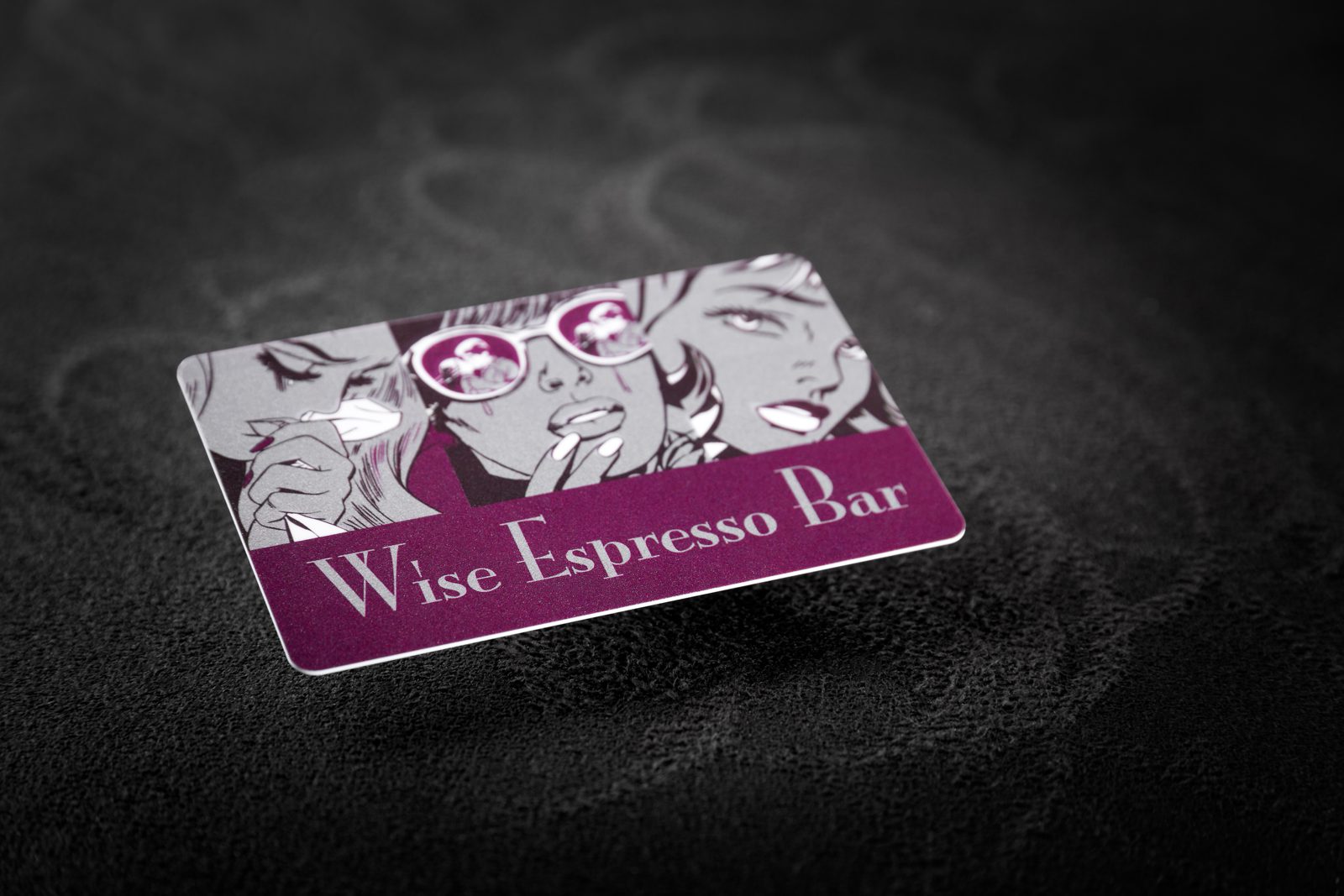
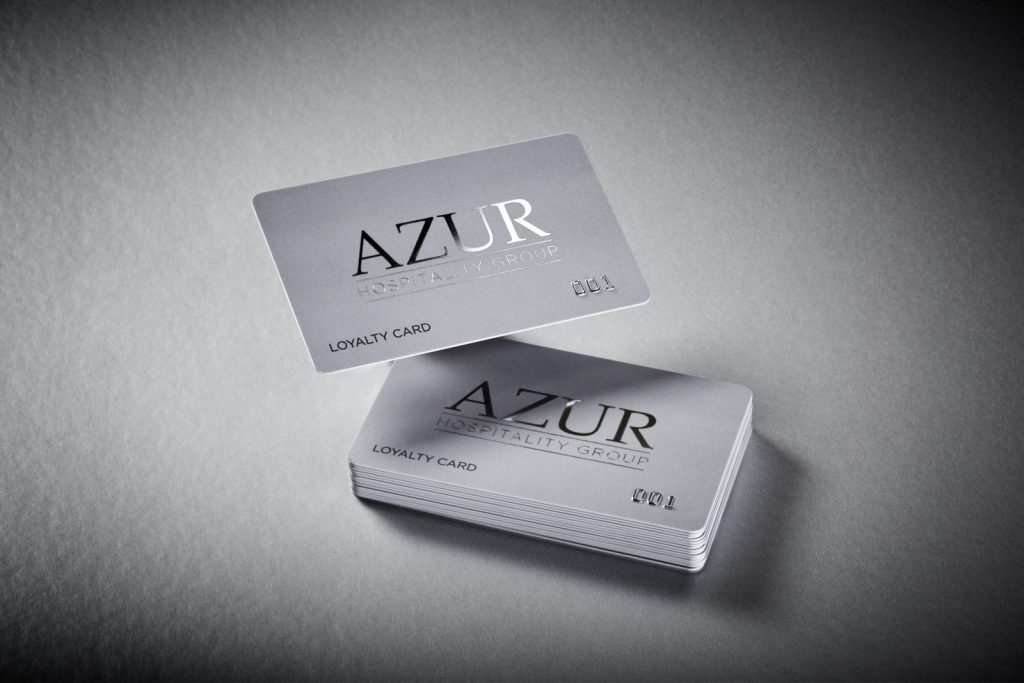
By contrast, a plastic card asks for nothing to download. It sits in the wallet, puts your logo in front of the customer each time they open it, and gives staff something to scan at the counter. For customers who never carry a wallet card, a key tag on the key ring does the same job.
Does a loyalty program bring customers back?
It can. It gives people a reason to return. In Toast Loyalty data from the first quarter of 2026, moving a guest into a loyalty program can raise their return rate from a 7% baseline to nearly 30%, about four times higher. This 7% is a return rate, a different number from the 7% of guests above. At restaurants with active programs, members also stay at roughly twice the rate of new customers (Toast and Resy, May 18, 2026). These figures come from Toast’s own restaurant platform, so treat them as a strong signal for restaurants. Other businesses may see different results.
It helps you keep the regulars you have. Square found that 90% of businesses using marketing tools kept their regular customers in 2025, compared with 38% of those that did not (Square, Mar 18, 2026). Staying in touch goes hand in hand with keeping regulars, and a loyalty card is one simple way to do it.
It can grow into a real share of sales. Paytronix found that stronger loyalty programs (its 75th percentile) get 30% of sales from loyalty members (Paytronix, Jul 9, 2024).
What can go wrong with a loyalty card?
Two things: a program nobody uses, and a card that does not scan. A card on its own does not build loyalty, so it pays to know both before you start.
Programs that get ignored. People already belong to many loyalty programs, and rewards that take too long to earn are a common reason customers quit one. We cover why programs get ignored, and how owners fix it, in a separate post.
Cards that do not scan. If your card carries a barcode or magnetic stripe, it has to match what your register reads. SilkCards puts the exact code you choose on the card, so ask your point-of-sale or loyalty provider exactly what it needs before you order.
From the order desk
The most common mistake I see on plastic card orders is choosing the wrong barcode type. Get the exact type from your point-of-sale provider before you order, then check it on your proof. Alicia, VIP Account Manager
Want to feel the difference yourself?
The free SilkCards sample kit includes plastic cards, so you can feel the thickness and finishes in your hand before you order.
What do I need to start a loyalty card program?
Four things: the card, a system to track points, a reward worth earning, and staff who mention it.
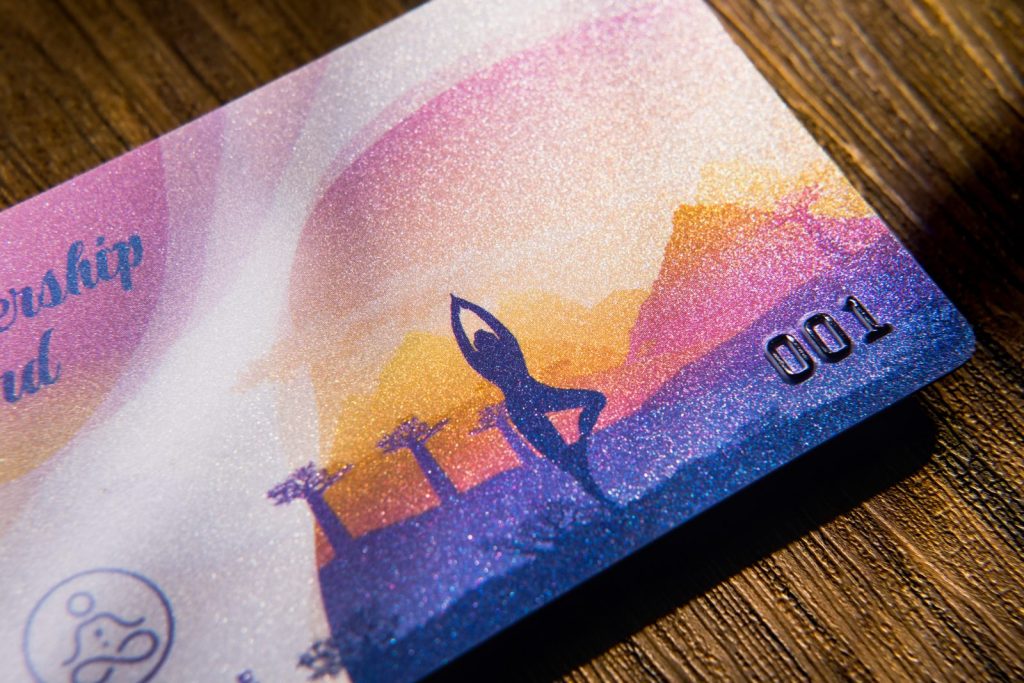
The card. A 30mil plastic card is credit card thickness, with full color on both sides, and built to last through years of wallets and scans. Add the feature your system reads: a barcode, QR code, magnetic stripe or a printed number.
A system to track points. That might be your point-of-sale system or a loyalty platform. For example, Square includes a loyalty program in its Square Plus plan (Square pricing page, Nov 18, 2026). SilkCards makes the card and does not run loyalty software or track points.
A reward worth earning. Something customers can actually reach, plus a little recognition along the way.
Staff who mention it. A program nobody hears about cannot work. Ask every customer at checkout.
Frequently asked questions
Square counts anyone who visits a business four or more times a year.
Your logo and colors, a short line on how the reward works, and the code your system reads.
Yes. The card identifies the customer, and your point-of-sale or loyalty platform keeps track of points and rewards. SilkCards makes the card only.
Ready to bring them back
Two easy ways to start: get free samples to feel the card, or build your loyalty card now.
About the author: Alicia is a VIP Account Manager at SilkCards. She works with businesses every day on their card orders, from choosing the right card to getting the details ready for production.